YUCATÁN PENINSULA
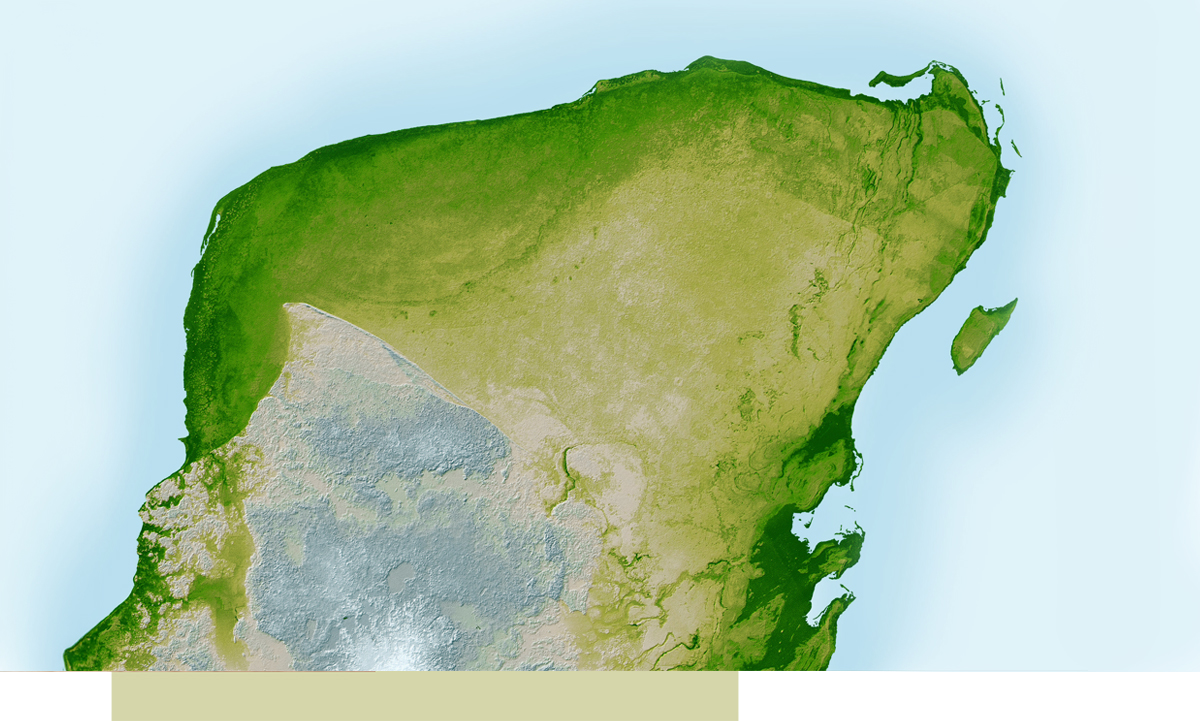
Image: Courtesy SRTM Team NASA/JPL/NIMA
The Yucatán Peninsula brings together an extraordinary natural and cultural heritage. Its vast tropical forests are home to jaguars, tapirs, monkeys, ocellated turkeys and hundreds of bird species. Along its coasts, the connection among mangroves, seagrass beds and reefs sustains the health of the Mesoamerican Reef System. Beneath the surface, its karst geology has created an extensive network of caves, underground rivers and thousands of cenotes, linking forests, wetlands and coastal environments into one great ecological system.
This landscape also preserves an exceptional history. The ring of cenotes reveals the mark of the Chicxulub impact, while flooded caves have preserved remains of some of the earliest inhabitants of the Americas and of Ice Age fauna. The Maya culture developed on this land, and its presence, language, knowledge, worldview and traditions remain alive. Nature, geology, water and culture are deeply intertwined, making the Yucatán Peninsula a one-of-a-kind region in the world.



Sal a Pajarear is an ecological awareness program for children. With the help of volunteer instructors, children explore the local ecosystem through observation and the use of an atlas that lets them recognize and study different birds. In this way, they discover a love for learning about the animal world and their surroundings, while developing socioemotional skills through interaction with other children.
The Sal a Pajarear program began in 2014 on the Yucatán Peninsula. Over the years, it has had 69 communities as allies, with the participation of 198 volunteer instructors (94 women and 104 men) and 1,838 children (800 girls and 1,038 boys).
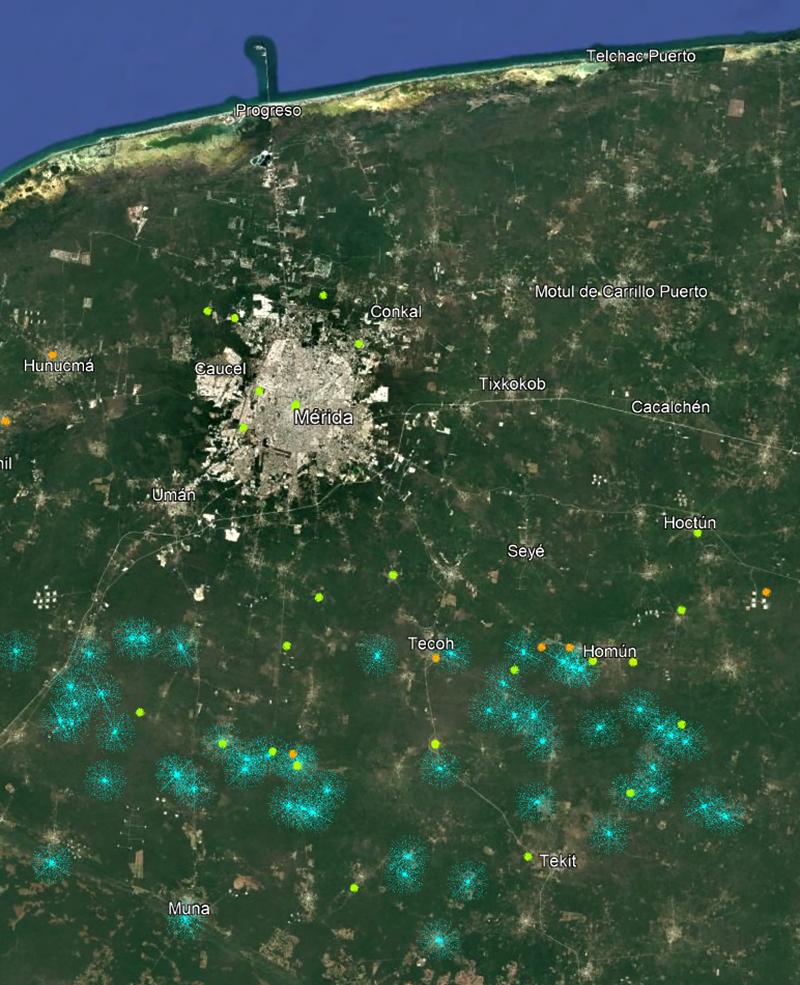
 MAYA AQUIFER ECOLOGICAL INTEGRITY NETWORK (RIEAM)
The Maya Aquifer is the main source of water for millions of people and a vital reservoir of biodiversity. It faces growing threats from agrochemicals, urban waste, real estate pressure and a lack of effective environmental regulation.
As a continuation of the Ts’onot project, the Maya Aquifer Ecological Integrity Network (RIEAM, for its Spanish acronym) was created in 2025, made up of six organizations from Yucatán and Quintana Roo. Its goal is to strengthen the aquifer’s ecological integrity by connecting local communities, organizations, experts and funders to protect and sustainably manage cenotes.
The project has four components: training of leaders and technicians; assessment and monitoring of ecological integrity; adaptive solutions; and communication strategies.
In July and August 2026, the first assessment campaign was carried out in 60 cenotes using an agreed-upon methodology. The Collaborative Leadership Diploma Program also began, with 35 community leaders and leaders from the six organizations. Cine en el Campo is also under way, and the Ecological Integrity Operations Manual is being co-created. Currently participating are Centinelas del Agua, Amigos de Sian Ka´an, Cenotes Urbanos, Cenoteando, GIPS-BACAB y TAE, A.C.
The project is supported by the Gonzalo Río Arronte Foundation, the W. K. Kellogg Foundation, the Harte Charitable Foundation, the Summit Foundation and the Claudia and Roberto Hernández Foundation.
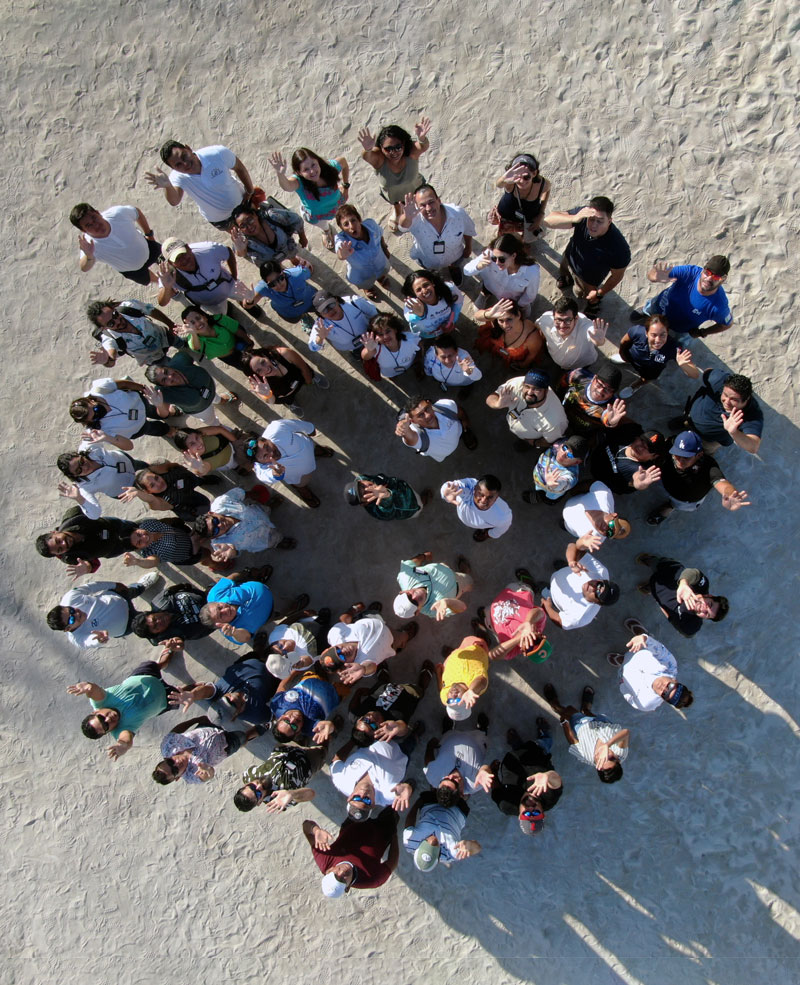
FOTOGRAFÍA: ©DJI
The Alianza Kanan Kay is a leading multisector body that promotes small-scale fisheries, contributes to food security and benefits coastal communities on the Yucatán Peninsula.
Since 2011, we have brought together fishing communities, civil society organizations, academic institutions and authorities to restore marine ecosystems, strengthen local governance and promote sustainable livelihoods.
The main management tool is fishery refuges: no-fishing zones that allow marine species to reproduce and recover, which helps conserve marine biodiversity and improve the well-being of the communities that depend on this wealth.
Fishery refuges are an instrument of the National Fisheries Policy and may also be part of the subzoning of a protected natural area. They work by protecting critical habitats, especially breeding, feeding and nursery areas. These actions lead to a “spillover effect,” that is, the repopulation of species of commercial and ecological interest in neighboring fishing areas.
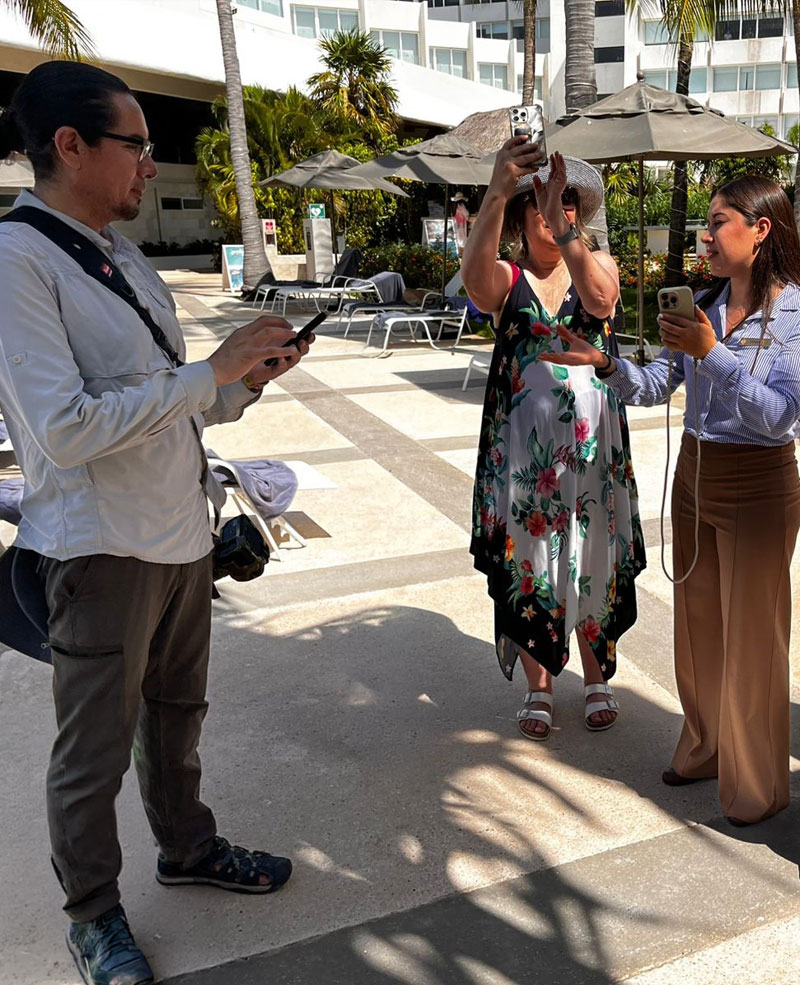
Diego Barrales orientando a empleados y huéspedes en el uso de la plataforma iNaturalistMX
CITIZEN SCIENCE IN TOURIST DESTINATIONS
The Citizen Science in Tourist Destinations project documented biodiversity at three destinations in Quintana Roo: Presidente InterContinental Cancún, Kimpton Aluna Tulum and Presidente InterContinental Cozumel, along with their surroundings, following Grupo Presidente’s Biodiversity Strategy.
The information made it possible to:
- develop action plans to conserve and restore biodiversity;
- identify new guest experiences related to biocultural heritage; and
- contribute to the regional biological inventory as an environmental sustainability (ESG) action.
Hotel employees took part in in-person sessions in March, July and October 2025, and in virtual sessions in April 2025. Endemic, introduced, keystone and biocultural species were identified.
A total of 24 conservation and restoration actions were proposed: 9 inside the hotels, 8 in outdoor areas and immediate surroundings and 7 in the broader landscape and setting, classified by implementation timeframe. Eighteen biodiversity-related experiences were also identified: 8 inside the hotels, 5 nearby and 5 farther away.
The project developed a comparative methodology based on citizen science that can be replicated in other hotels and businesses.
Biodiversity Conservation as a Tourism Experience — Grupo Presidente
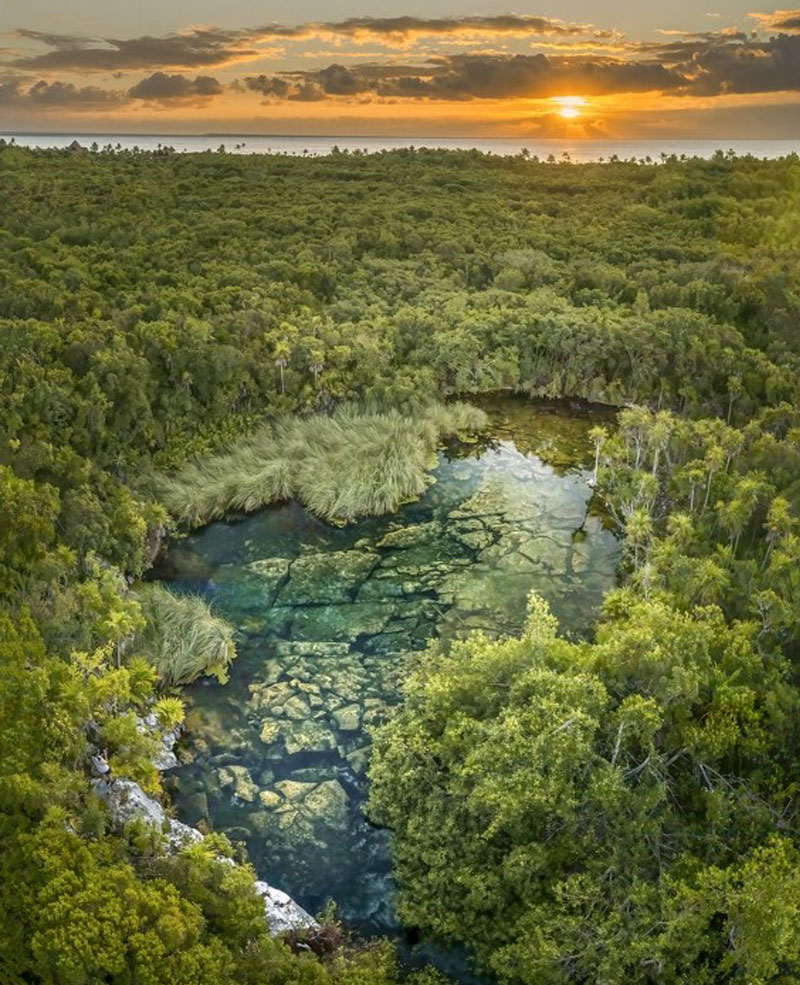
FOTOGRAFÍA: ©Martín Broen
The Ts’onot project was a first step, led by Kalanbio A. C., toward community-based assessment and monitoring of water quality in Yucatán’s cenotes. Caring for the health of these sites of invaluable natural richness is essential to biodiversity conservation on the Yucatán Peninsula.
Thus, in 2023, 19 cenotes in the state of Yucatán were evaluated in both seasons of the year, dry (May) and rainy (October), analyzing 99 physicochemical water variables per campaign. Overall, most physicochemical parameters meet the standards set by the Mexican Official Standard for Human Use and Consumption (NOM-127-SSA1-2021), but there are clear warnings of biological contamination and organic pollutants.
The cenotes evaluated function as sensitive indicators of human impact on the karst aquifer.
Contamination is not uniform but is widespread, especially from wastewater (bacteria, caffeine), the extensive use of pesticides and tourist and urban activities. Climate (rainy or dry season) affects water quality more than location does, which reinforces the need for periodic, multi-season monitoring.
Our partners in the project were the Harte Research Institute, the Gonzalo Río Arronte Foundation and the Claudia and Roberto Hernández Foundation. The project currently continues through the Maya Aquifer Ecological Integrity Network.