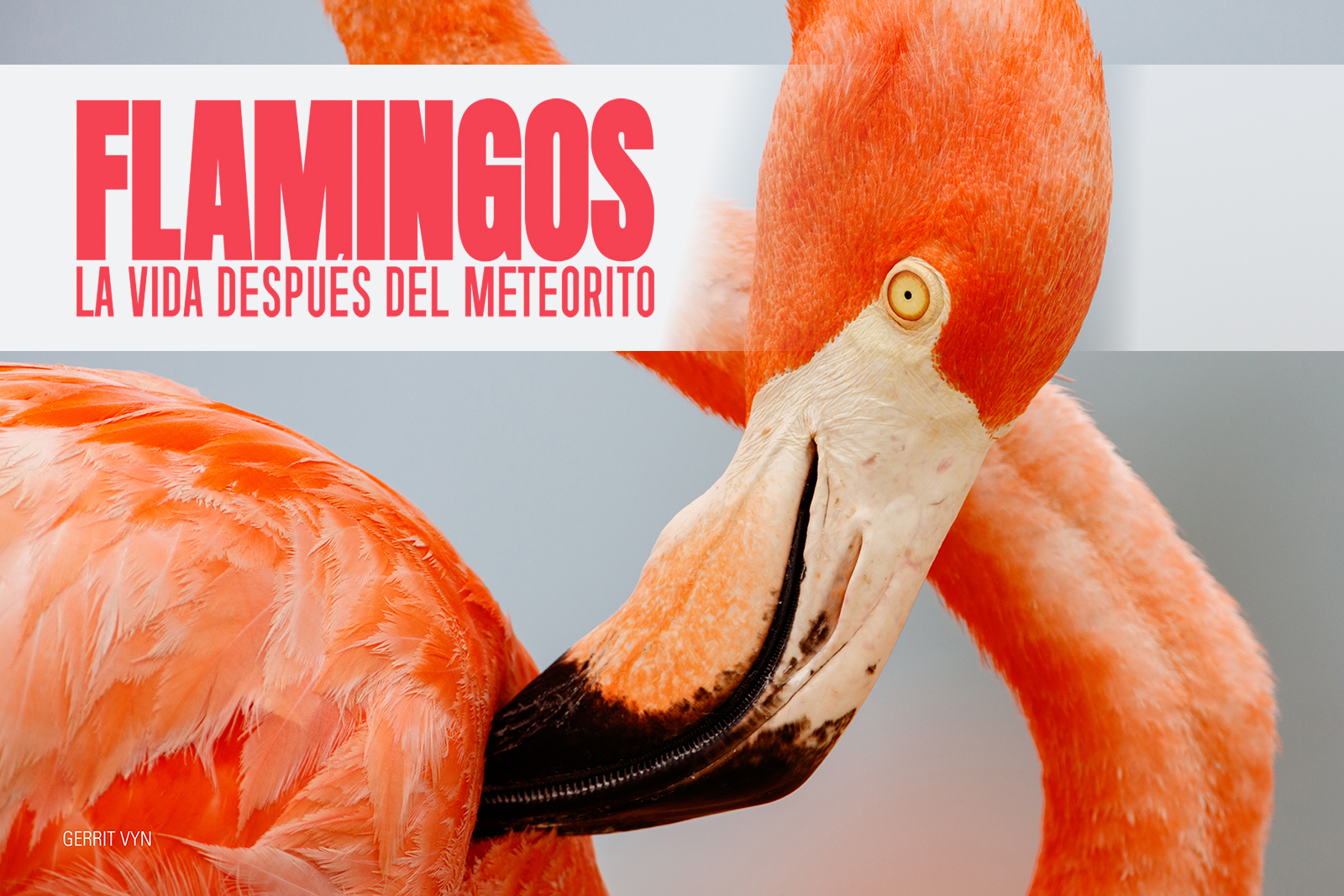

IN THEATERS MARCH 26, 2026


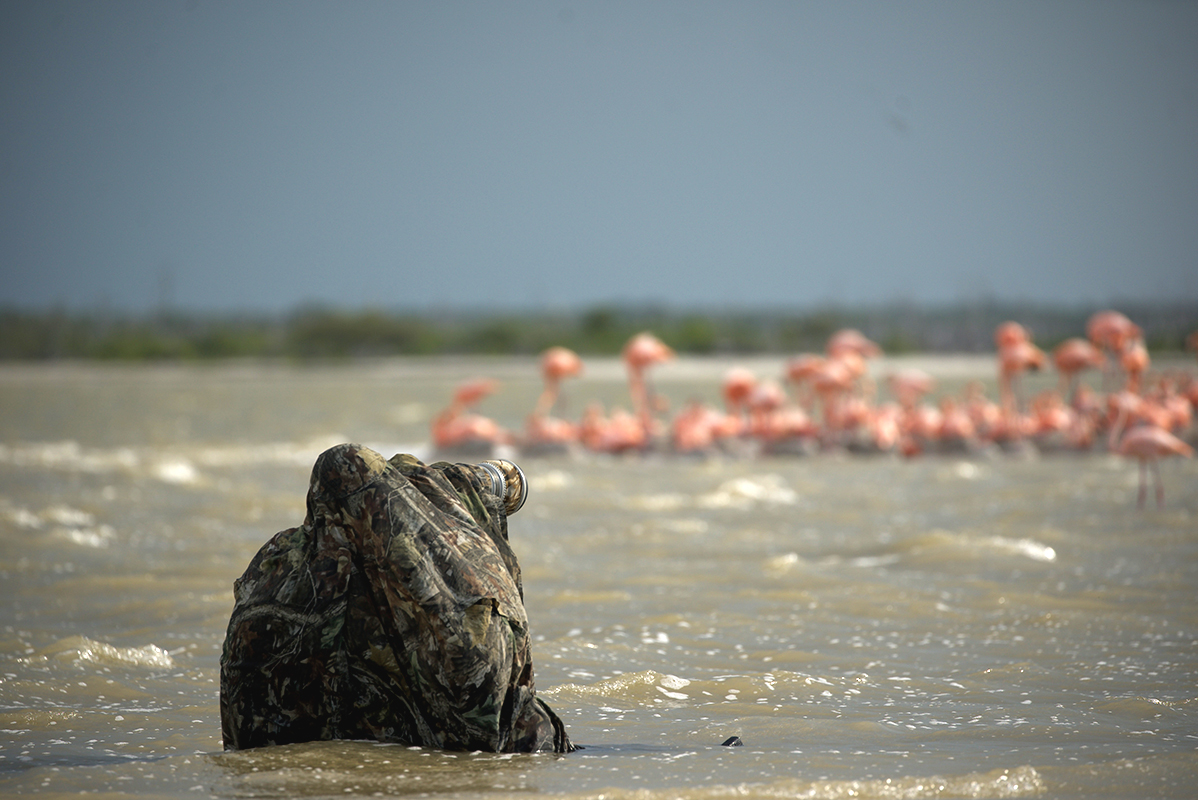
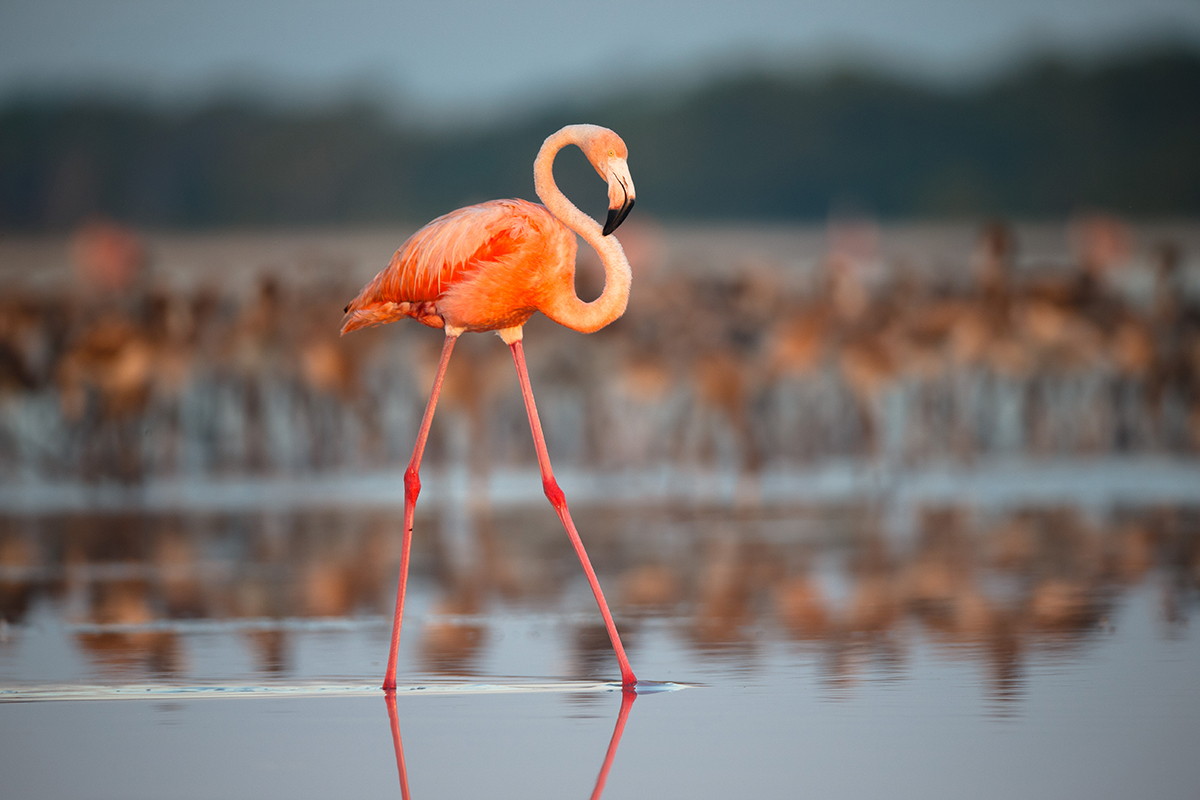
With ten years of production in the coastal wetlands of Yucatán, the film offers an intimate and visually striking look at the life cycle of the Caribbean flamingo (Phoenicopterus ruber). From the complex courtship rituals and the construction of mud nests, to the hatching of the chicks and their first steps within enormous colonies, the documentary reveals the extraordinary social organization of these birds and the challenges they face in an ecosystem that is as fragile as it is fascinating.
With its release in theaters and cultural venues, Flamingos: Life After the Meteorite invites audiences to rediscover one of Mexico’s most emblematic natural landscapes and to reflect on life’s ability to flourish even after the greatest catastrophes on Earth.
The resources that La Vaca Independiente receives from the exhibition of the documentary will be allocated to conservation projects through the Pedro and Elena Hernández Foundation, A.C., and Transformación, Arte y Educación, A.C.
FAQ
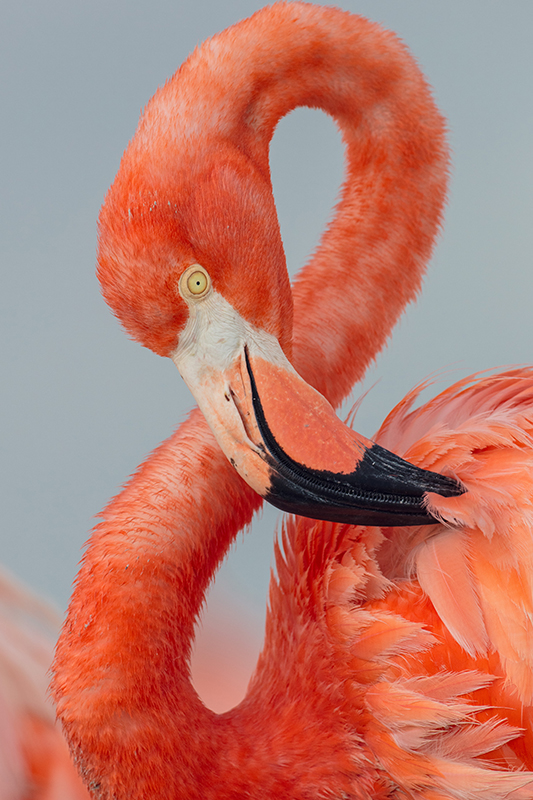
©GERRIT VYN
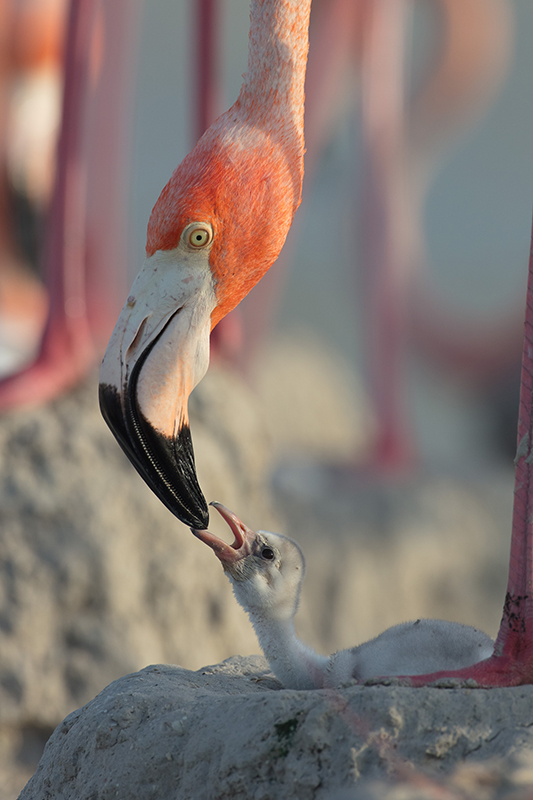
©GERRIT VYN
April 26 – International Flamingo Day
Who are flamingos?
Six living species of aquatic birds.
Kingdom: Animalia
Phylum: Chordata
Class: Aves
Order: Phoenicopteriformes
Family: Phoenicopteridae
Génera:
- Phoenicopterus (3)
- Phoeniconaias (1)
- Phoenicoparrus (2)
What is being done to protect them?
The Caribbean Flamingo is considered a threatened species in Mexico (Official Mexican Standard NOM-059, SEMARNAT).
Monitoring began in 1976 by the now-defunct Directorate of Wildlife of the Secretariat of Urban Development and Ecology (SEDUE). These studies led to the designation of Ría Lagartos and Ría Celestún as Wildlife Refuges in 1979.
In 1986, Ría Lagartos was registered under the Ramsar Convention as Mexico’s first wetland of international importance. A field station was established in El Cuyo, and starting in 1988, banding and aerial surveys were initiated.
The most important flamingo areas, Ría Lagartos and Ría Celestún, became Biosphere Reserves in 1999 and 2000, respectively.
The state of Yucatan also established the Las Bocas de Dzilam and El Palmar state reserves in 1989 and 1990, respectively.
Since 2015, the Pedro and Elena Hernández Foundation, A.C., has maintained two flamingo conservation programs in Yucatán.
-
- These programs focus on monitoring, awareness-raising, analysis, knowledge generation, building an integrated monitoring system, and forming strategic alliances.
- The Biological Station of El Cuyo and Casa Artemia provide spaces for environmental researchers.
Since 2014, the “Sal a Pajarear” program of Transformación, Arte y Educación, A.C., trains volunteer instructors to accompany rural children in birdwatching and learning about bird care.
©GERRIT VYN
©GERRIT VYN
Flamenco is the Spanish name and flamingo is the English name. The term flamingo is often used due to confusion with the flamenco dance.
They live between 15 and 20 years in the wild. In captivity they can live more than 60 years, as recorded in the Australia Zoo.
Initial estimates placed the population at 6,000 individuals, but with conservation measures (protected areas), it has increased to around 40,000 flamingos (18,000 nests). However, as a gregarious species, it faces high risks from coastal development, pollution, rising sea levels, and catastrophic weather events.
They are considered partially migratory in the region. Some young flamingos may cross from Holbox to Cuba. Occasionally, isolated flamingos or small groups are recorded in other Mexican states such as Nayarit, Baja California, Guanajuato, and Tamaulipas. Even in Lake Texcoco in the State of Mexico, a pair of flamingos currently lives.
Using their unusual beak and tongue, they filter small crustaceans, mollusks, annelids, and insects, as well as some plant matter, algae, and decomposing leaves.
Males are slightly larger than females, but it is difficult to distinguish them unless blood samples are taken to determine sex.
They lay one or two eggs in the spring, which measure between 8 and 9 cm and weigh from 115 to 140 grams. Incubation, carried out by both parents, lasts between 27 and 31 days.
Adults feed them “flamingo milk,” or crop milk, a substance produced by both parents during the first days of life. It is rich in proteins and lipids and stimulates chick growth. In flamingos it is red due to the pigments it contains.
They begin to fly in two to three months (from 65 to 90 days), when they still have gray or white plumage. Their pink plumage takes two to three years to develop.
Adult flamingos can recognize the call of their chick among thousands of individuals, and chicks can also recognize the calls of their parents.
Mainly on the coasts of the states of Campeche, Yucatán and Quintana Roo, although sometimes they are recorded in inland lakes or on the Pacific coast.
Flamingos are pink because their feathers contain carotenoids. These pigments come from small crustaceans known as Artemia or brine shrimp (tiny relatives of shrimp). In turn, Artemia obtain these pigments from algae and cyanophytes that produce them.
To learn more:
- American Flamingo Birdlife International
- American Flamingo. Lista Roja de la Unión Internacional para la COnservación de la Naturaleza (IUCN, por sus siglas en inglés)
- Flamenco americano. iNaturalistMX
- FlamencoLab. Laboratorio de rastreo de flamencos. Fundación Pedro y Helena Hernández, A.C.
- Grupo de Especialistas en Flamenco s de la CDE de la Unión Internacional para la Conservación de la Naturaleza (IUCN, por sus siglas en inglés)
- del Hoyo, J., P. F. D. Boesman, and E. Garcia (2024). American Flamingo (Phoenicopterus ruber), versión 1.1. In Birds of the World (J. del Hoyo, A. Elliott, J. Sargatal, D. A. Christie, E. de Juana, and M. G. Smith, Editors). Cornell Lab of Ornithology, Ithaca, NY, USA. eBIrd Flamenco americano.
- Migoya, R., M. Tabasco. Programa integral de conservación del flamenco. En Biodiversidad y Desarrollo Humano en Yucatán, Estrategias para la conservación. Centro de Investigaciones Científicas de Yucatán (CICY)